Wednesday, 23rd March 2022
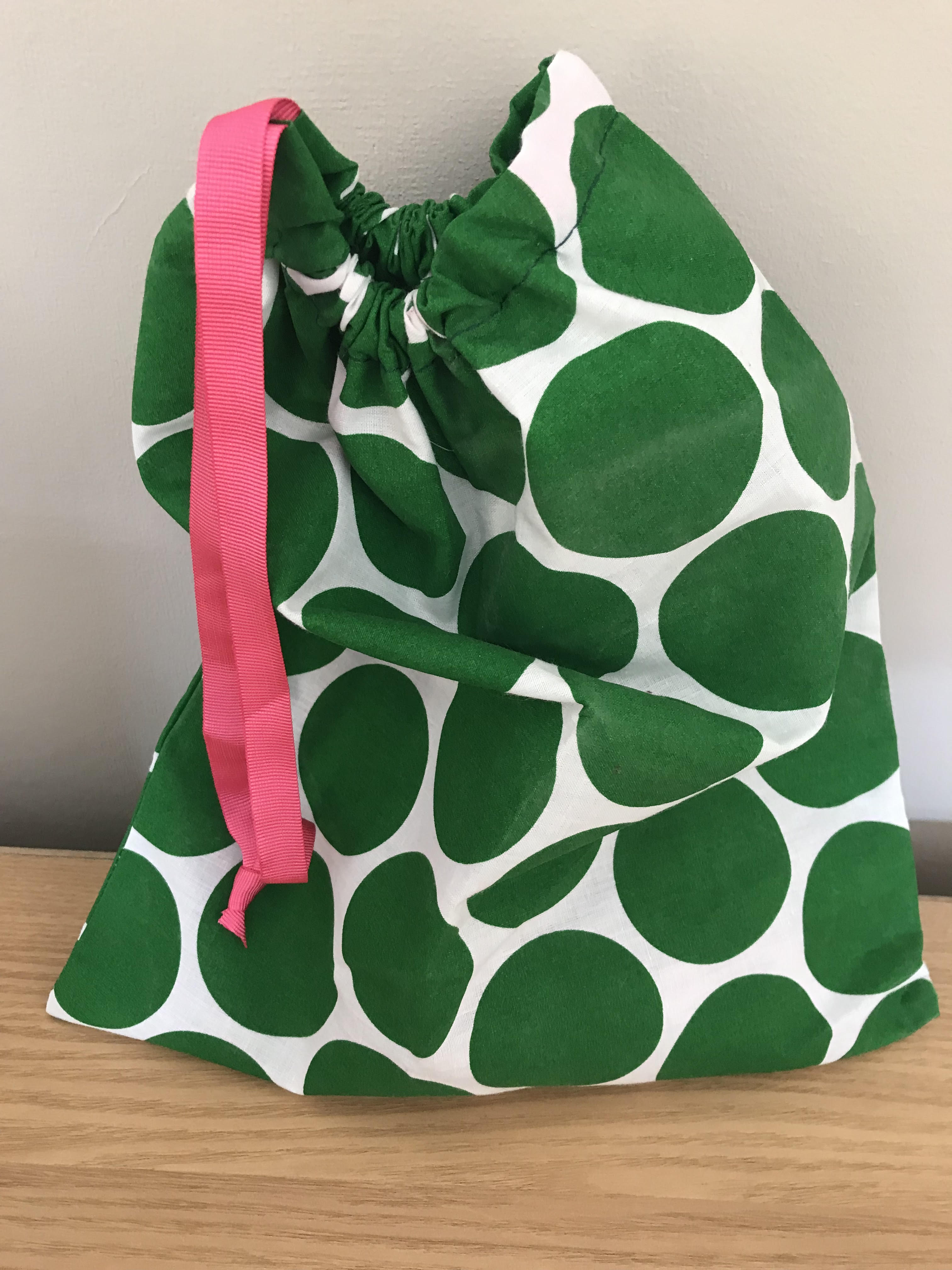
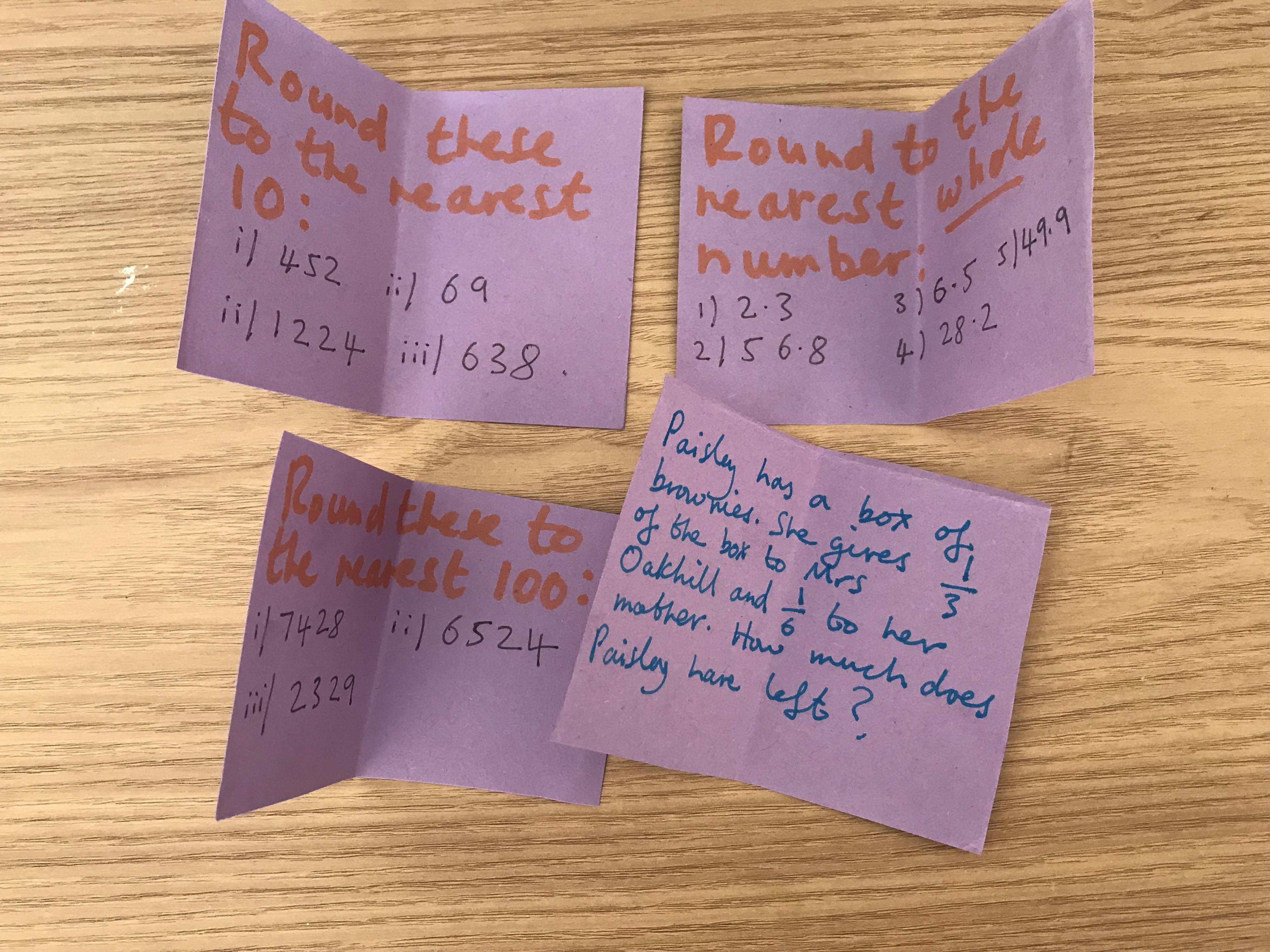
Today we have been preparing a new KS2 maths game: ‘What’s in the Maths Bag?’ Are you feeling brave enough to take the mathematical lucky dip challenge? Reach into the bag and grab yourself a question!
Monday, 21st March 2022
Happy World Poetry Day! To celebrate, here are links to two of my favourite poems about parenthood: Gillain Clarke’s ‘Catrin’ and C Day Lewis’ ‘Walking Away.’
https://www.bbc.co.uk/bitesize/guides/zx8fbk7/revision/8 http://www.gillianclarke.co.uk/gc2017/catrin/
Friday, 18th March 2022
Day 3 of our free resource give-away: today it’s a handy guide to English Language, Paper 2, along with a sample Macbeth question for English Literature and also a sample essay answer!
Thursday, 17th March 2022
Day 2 of our free resource give-away: this times it’s AQA English Language, Paper 1. Here’s a sample text (with useful annotations) and 4 exam-style questions.
Wednesday, 16th March 2022
For those of you studying for your GCSE English Literature exams, here’s a handy guide to approaching the Unseen Poetry question. It includes: assessment objectives; sample poems with annotations (click on the comments to view) and two sample questions.
Monday, 14th March 2022
Happy Friday to our students and their families. This week, we have: smashed algebra by finding the value of ‘x’; multiplied fractions and mixed numbers; read some poetry about a stubborn mole in KS2; learnt about abstract nouns and continued our preparation for GCSEs in English Lit and Lang. Once again, I am very proud of everyone’s hard work. Enjoy your weekends and – for our younger students – here’s a picture of your favourite friends! 


Monday, 10th January 2022
In GCSE English….
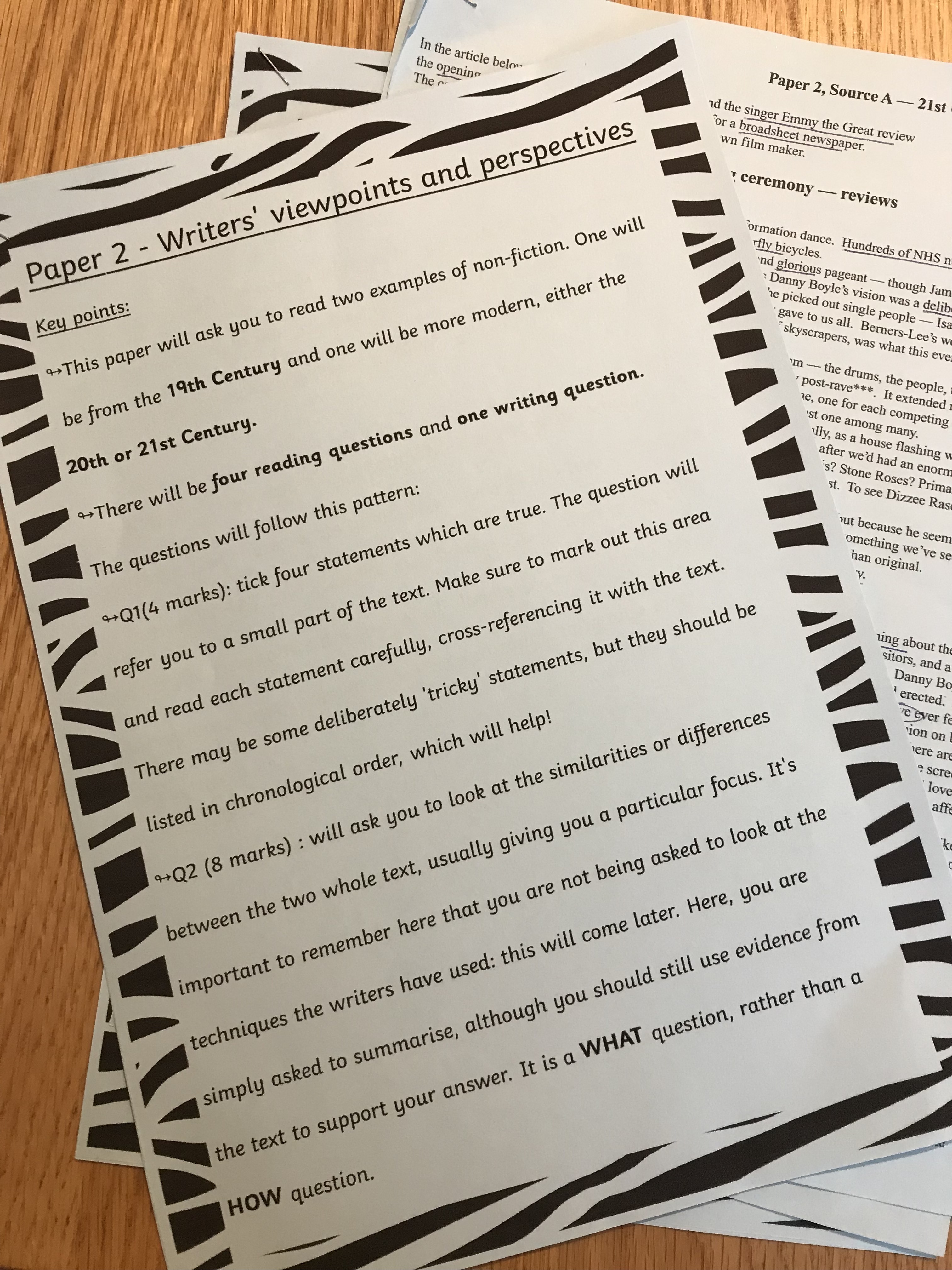
This week, we have been creating a ‘how to’ guide for the tricky unseen texts in AQA GCSE Language, Paper 2. We have also been looking at unseen poems, which explore the parent-child relationship.
In KS2 English…
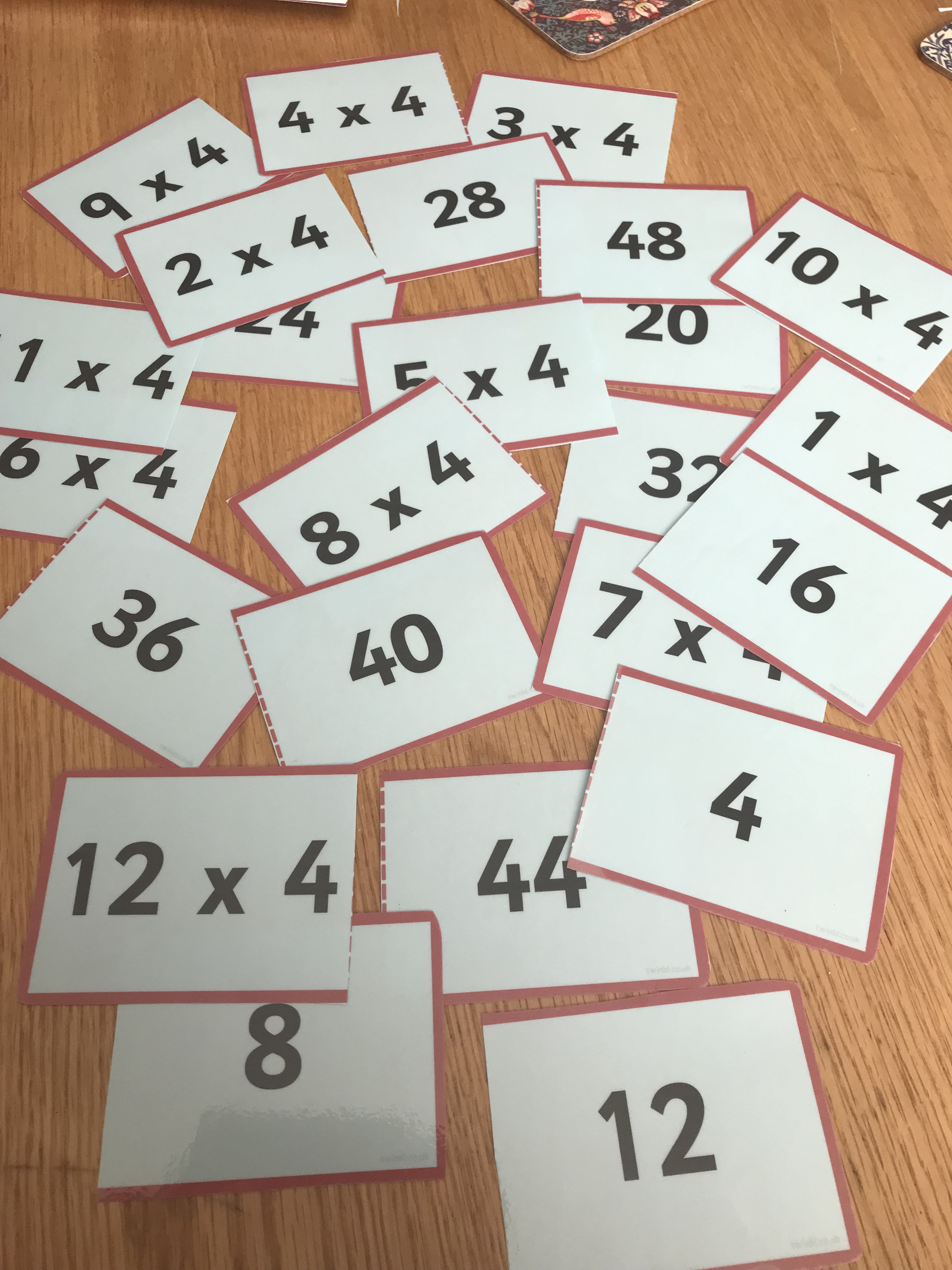
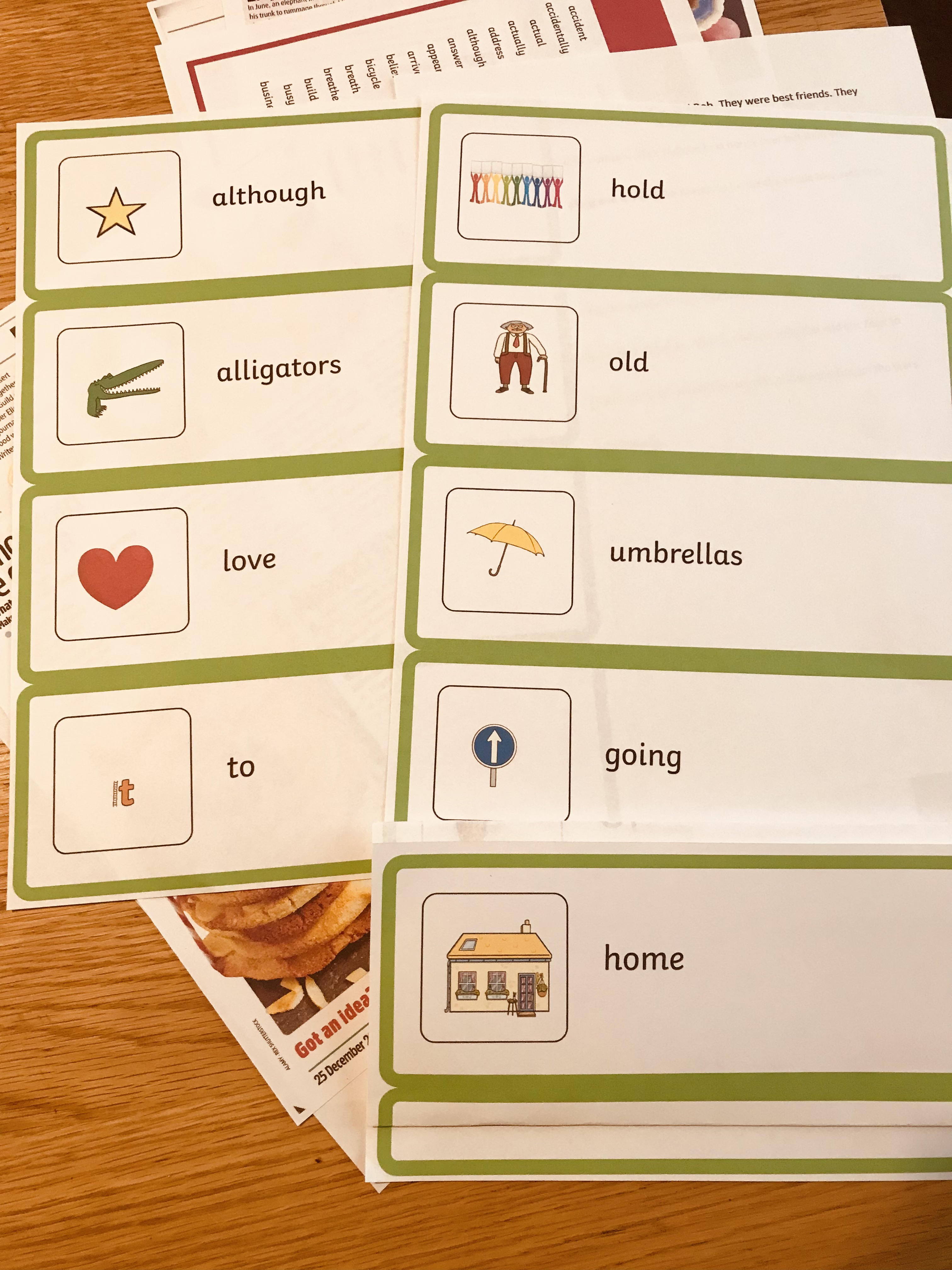
This week, we have been looking at how mnemonics can help us learn tricky spellings, brushing up our knowledge of adverbs, using a ‘cloze’ procedure to help use better decode texts and creating a game to help learn the 4 times table.
Monday, 13th December, 2021.
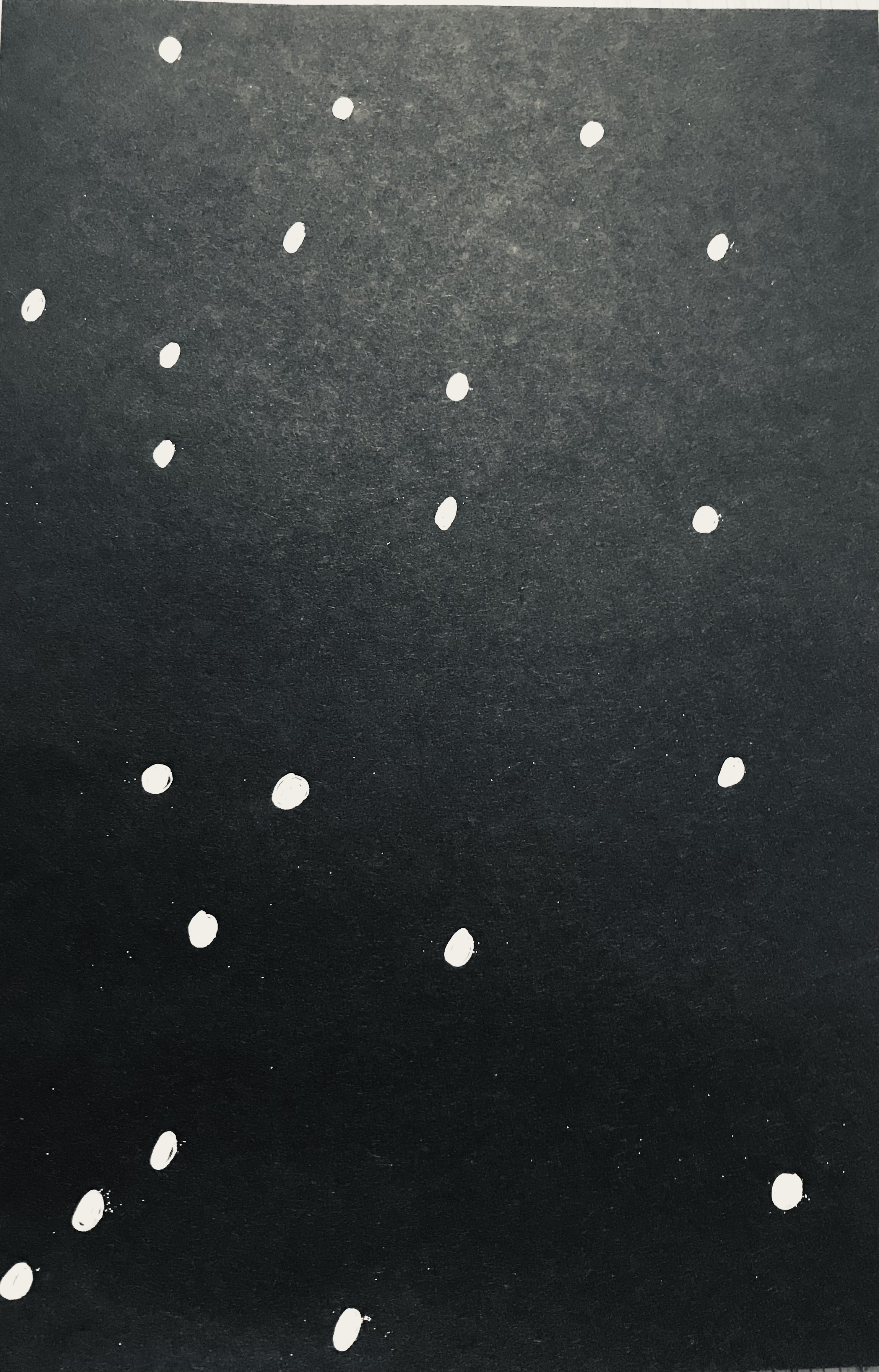
This week, we are looking at themes in ‘A Christmas Carol’ for GCSE English. We are also building vocabulary skills in Year 5, by looking at creating ‘Constellation Stories.’ This is a great activity for improving language skills and creative writing and can lead to some super-imaginative stories. Grab some black card, a white pen and draw some ‘stars’. Have a look at what shapes you can see, join the stars and write your own ‘constellation story.’ Examples to follow from our students!

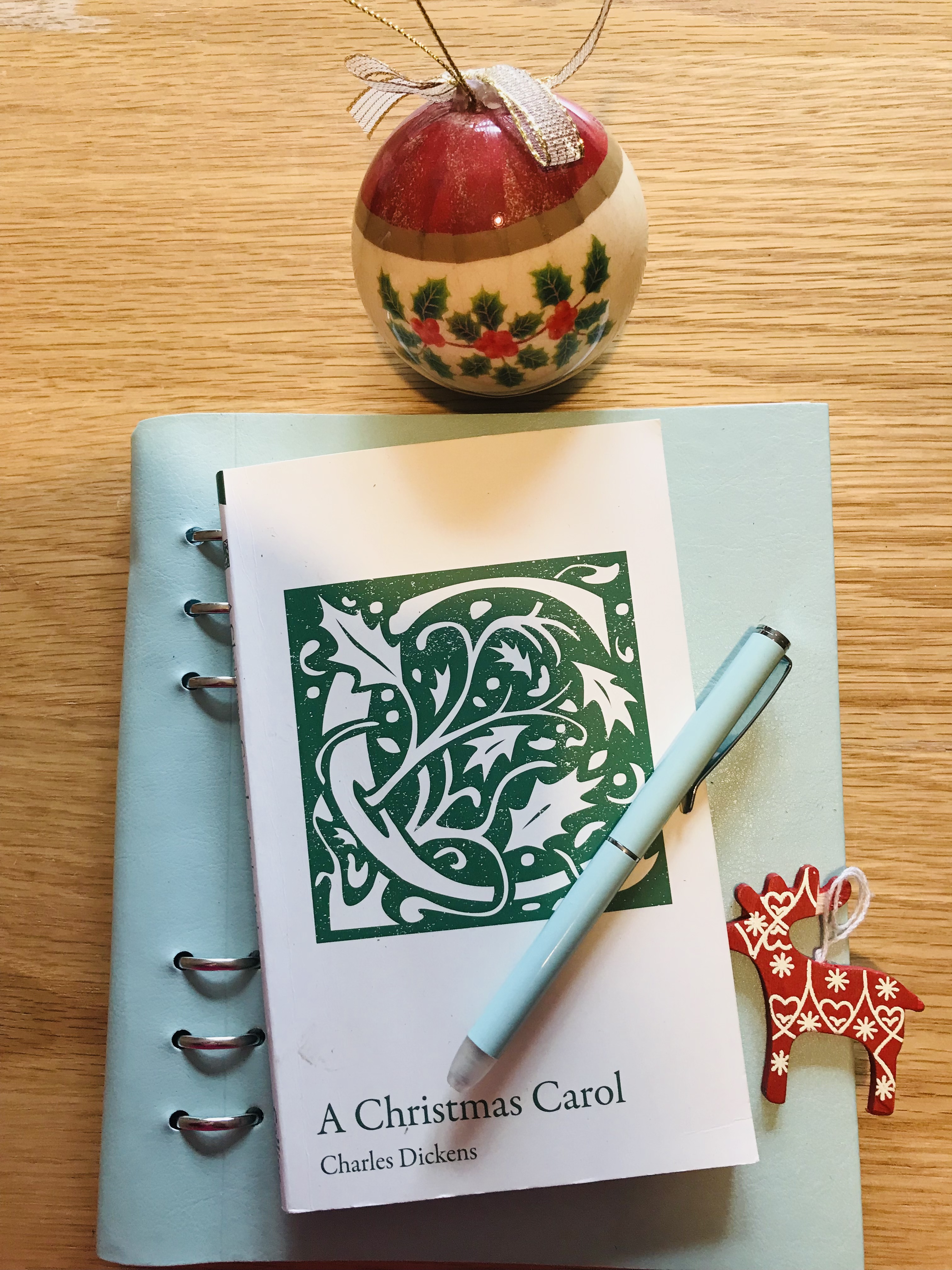
15.11.21 This week, we have feeling slightly festive, with some close analysis of ‘A Christmas Carol’ in preparation for GCSE mock examinations! In KS2, we have been studying non-fiction texts to help us with our scanning skills, as well as playing ‘challenge the tutor’ in a battle of vocabulary-improving word games. Well done, everyone!
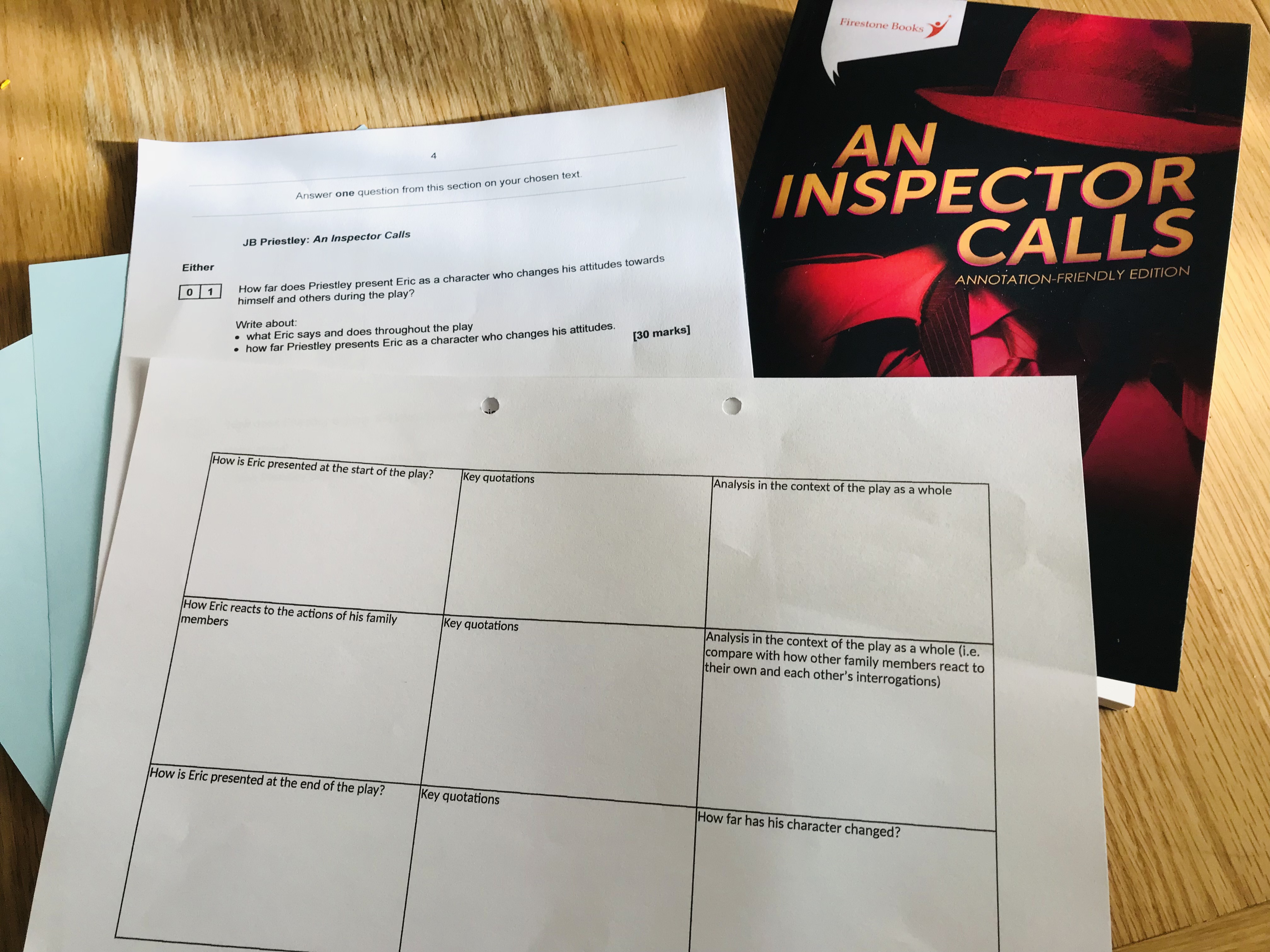
09.11.2021 Today’s prep involved creating a planning table to help structure an answer to a GCSE Literature question on ‘An Inspector Calls.’ Using tables like this can really help a student to order their thoughts and ensure that they are actually answering the question.
29.10.21: This week we have been looking at scanning skills. Scanning is a vitally important skill, which involves your eyes ‘floating’ across a text to hunt for specific words. We all use this skill everyday – think of bus timetables or television guides – without realising it, but honing it can really improve your comprehension of texts and the speed with which you locate information. The exercise below is great for a ‘warm up.’
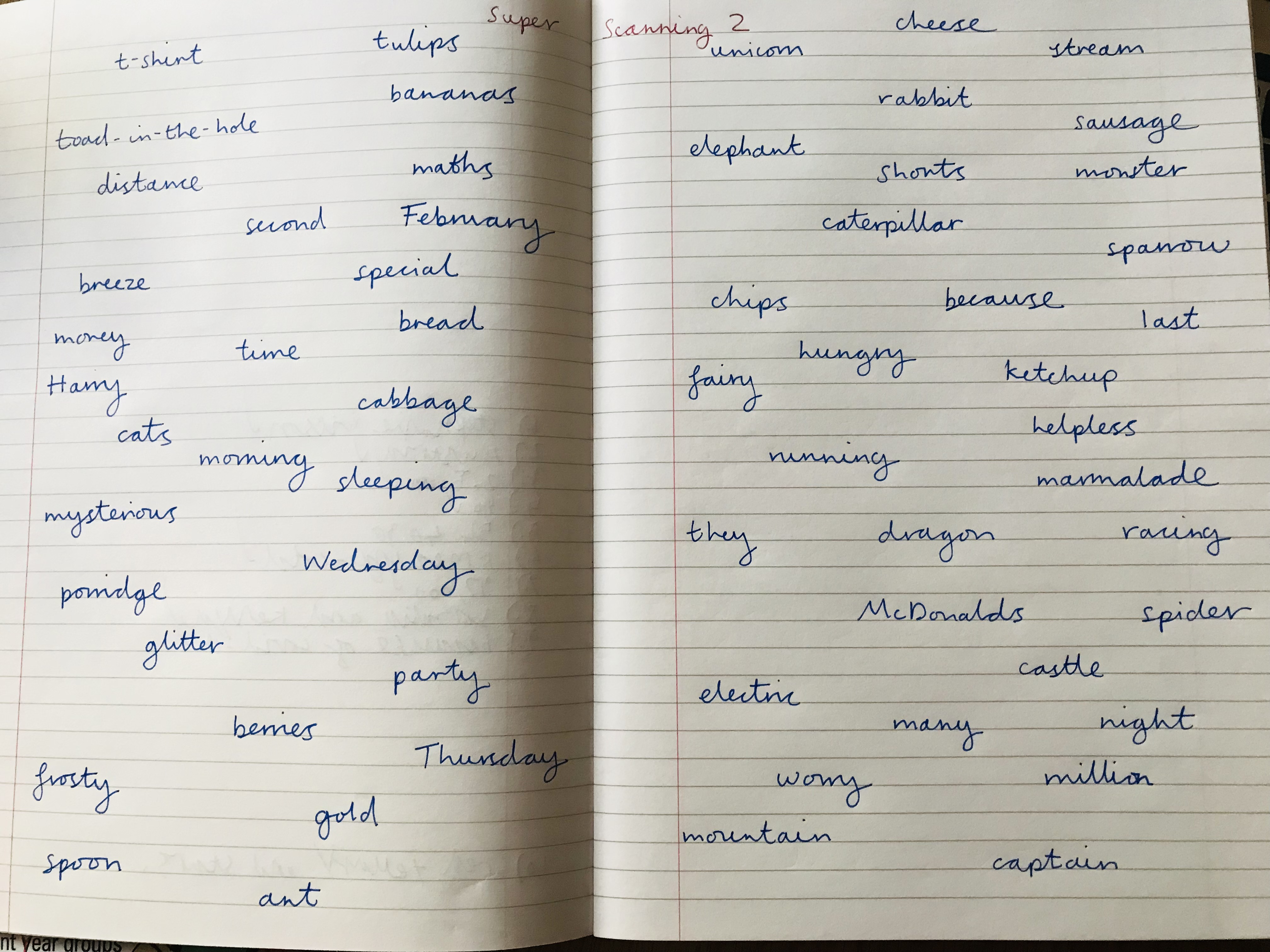
We have also been looking at practising our English Language skills for GCSE Paper 1. Well done, everyone, for all your hard work this week.

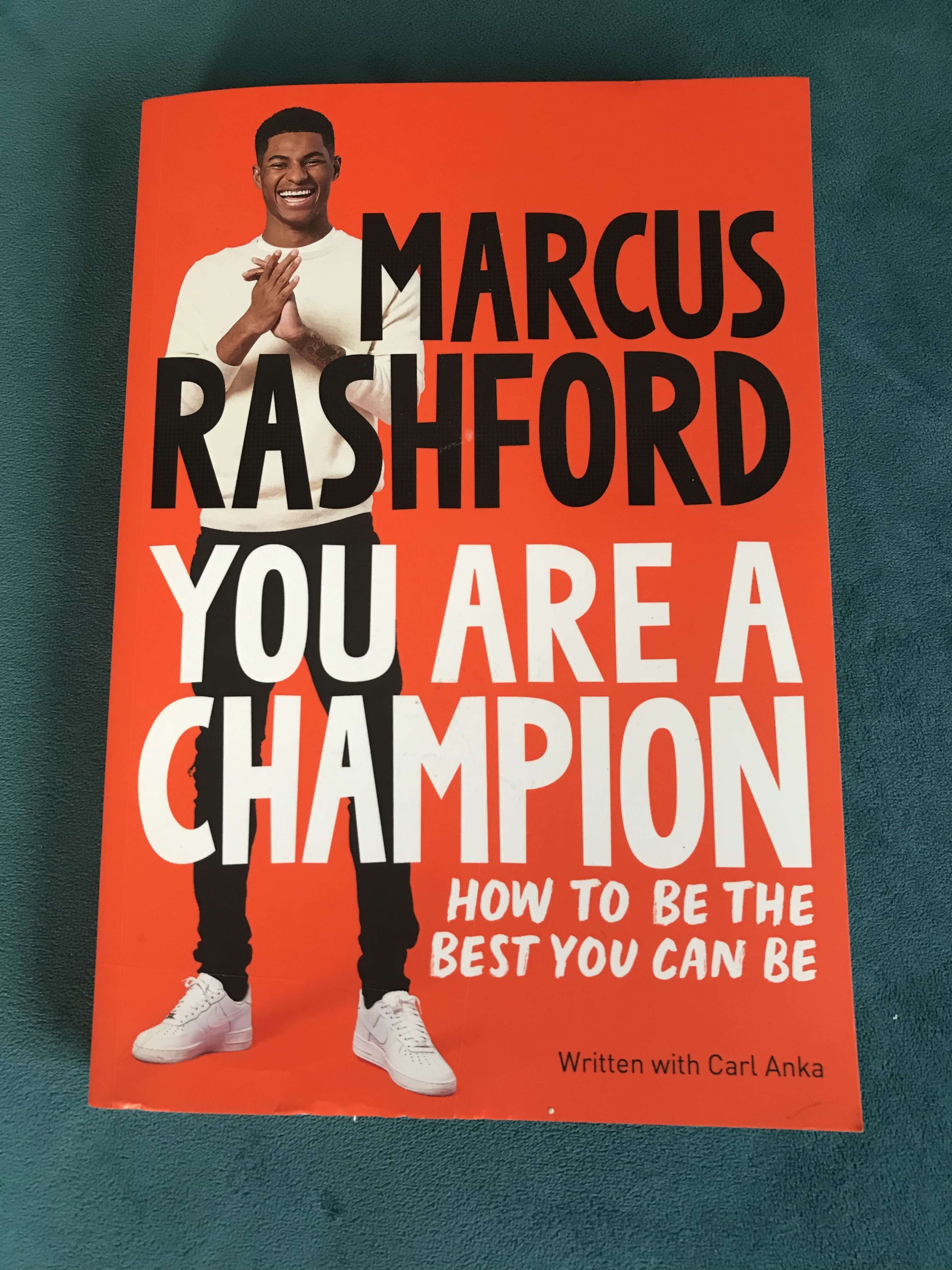
22.10.21: This week, we have been looking at Marcus Rashford’s book, ‘You are a Champion,’ to help us with our comprehension skills. We have also been using some wacky pictures to help us develop our inference skills. Well done, everyone!

Here is a great resource for teaching inference. Use it as a starter activity and get hunting for clues!

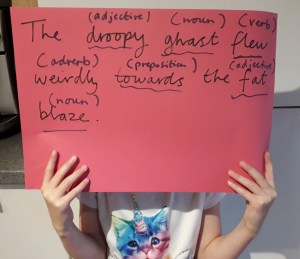
This is my 8 year old’s Minecraft-themed sentence from when we played this game earlier today. As you can see, we have broken the rules by allowing extra adjectives. I’m also taking his word for it that ‘blaze’ qualifies as a noun, as I have no idea what it is…!
Quick, crazy grammar game!
Try out this quick family game which challenges your verbal skills, as well as your grammar.
- Each family member has to say a sentence which follows the pattern: Noun, verb, adverb, adjective. For example, I might start by saying, ‘Mark (proper noun) walked (verb) quickly (adverb) in the quiet (adjective) garden.
- Keep going round, challenging each other to see who can invent the funniest sentences which follow the same pattern. If someone omits a word class, then they are out and the game continues until you have a winner. ‘Prizes’ can also be awarded for the funniest, most inventive sentences.
Make it simpler by reducing/changing the word classes e.g. Noun, verb, adverb.
Make it trickier by adding extra elements e.g. your sentence has to end with a prepositional phrase – ‘in the quiet garden’ would be an example of this. Or you could challenge yourselves further by only allowing adverbs/adverbial phrases that don’t have an -ly ending.
Make it crazier: by adding a theme to your sentences. For example, you could make all your sentences Minecraft-related, ‘The creeper crept stealthily towards the fat pig.’
Fit it into your routine by challenging each other around the breakfast table/the dinner table/on a car journey/when out for a walk.
‘Working wall’ at home – literacy.
As promised, a literacy-themed ‘working wall’ – word hunt challenge. We are still going – 18 words so far. ‘Mum’ is a bit of a cheat, but I had to let it pass…! How many can you and yours find? What is the longest word you can find?

‘Working wall’ ideas at home – maths
Follow the link for an example of our ‘working wall’ at home.
http://berkocat.com/2018/08/03/working-wall-ideas-at-home/
Word Hunt challenge
Follow the link below for an easy way to improve your child’s literacy skills. To make the task more tricky, use each letter only once. Challenge them to see:
Who can find the most words?
Who can make the longest word?
KS2 SATs reading paper short practice
For some mini practice for the KS2 SATs, check out this short extract from The Secret Garden, which challenges students with some SATs-style question in a manageable, shorter format:
Descriptive writing practice
For writing practice at almost any age, from Year 5, through to Year 11, check out this meditative mind journey which sends students through a guided descriptive writing journey. Particularly useful for those students who struggle to get any ideas at all down on paper:
DARTs Activities
An oldie but a goodie… DARTs – Directed Activities Related to Texts – provides a comprehensive list of ideas for working with almost any text. An invaluable resource at any age.
How DARTs can help comprehension in every subject area.wps
Commas
A short starter activity to help teach commas:
 Quercus Tutoring