Whether setting or marking it as a teacher, or persuading (bribing!) my own children to complete it, homework has always been one of my least favourite aspects of teaching and learning. However, for most of us, it is as inescapable a part of parenting as scraped knees and snotty noses, so here are my tips for making it as painless as possible for both parents and children.

‘Mum….! I need a scale model of an Anglo-Saxon village, complete with raiding Vikings. Miss said it’s due tomorrow. Do we have any cereal boxes…?‘
1.Know your school’s expectations
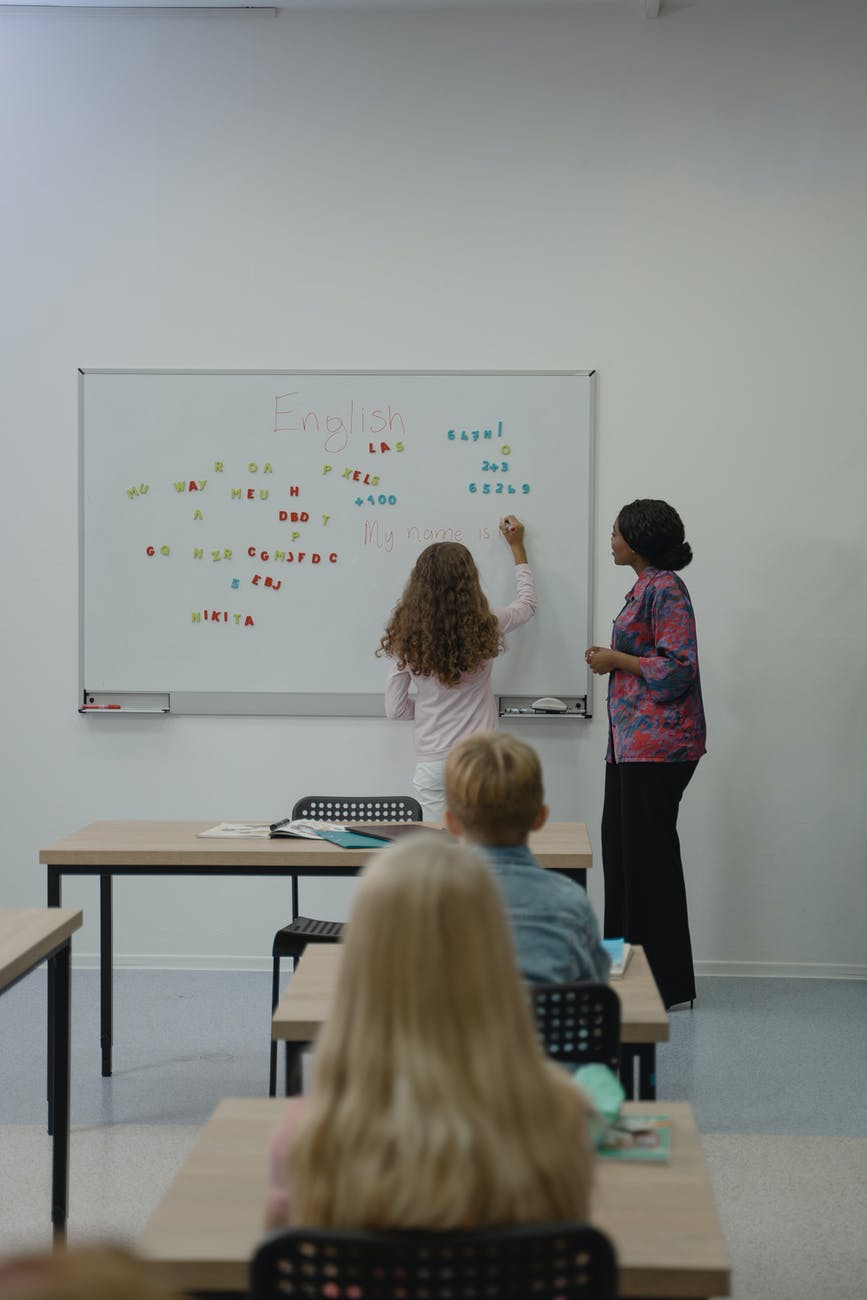
Most schools should – at the start of the year – provide parents and students with some clear guidelines as to what subjects will be set and how often and also how long a student is expected to spend on each piece of homework. If they don’t provide this, then ask at your earliest opportunity. With a clear homework timetable, there should be no unpleasant surprises along the way…! Obviously, Primary school children will need more help and support with their homework and more prompting to complete it, but Secondary school children will have a heavier workload and will need more help managing their time, alongside other commitments. Having a clear ideas of what to expect, how much and when at the start of the year should avoid too much unnecessary stress.
2. Schedule

Try to schedule in a regular time each week for your child to complete their homework. This is easier to do in Primary than in Secondary, due to the amount of homework that is given. In our house, it has always been a Saturday afternoon after our dog walk, as then the children know they have the rest of the weekend ‘free.’ There should probably be some room for negotiation here: I’m very much a ‘work first, so you can relax completely’ type of person, but I am trying to recognise that my children don’t necessarily operate in the same way and that the work will still be done. Either way, setting a schedule that everyone can agree to means that you all become familiar with the routine.
3. A quiet (ish!), clear space

A lot of us don’t have the luxury of a quiet space in a busy home – nor an uncluttered desk space for each child – so often it’s a case of doing the best that we can with what we have available. Some things should always be avoided: for example, having a child write their homework in bed, leaning on their laps, as this doesn’t encourage a good writing posture, particularly in younger children who are just learning cursive. Try to at least have a flat, firm surface to write on and if you’re short of any sort of desk/dining table space, then a clipboard or lever arch folder would make a good substitute. Similarly, in a busy household it may not always be possible to have quiet, even for a short space of time. Some older children may actually find they work better with earphones in, listening to music, but if quiet is needed and is hard to come by, then consider a pair of noise-cancelling headphones, which can be picked up fairly cheaply these days. Here’s a link to some of the options available: https://www.techradar.com/uk/news/the-best-headphones-for-students-our-top-picks-for-back-to-school-cans

4. Time
Most schools will give you guidance about how much time a child is expected to spend on each piece of homework. If a Primary school child is mean to spend 20 minutes on their maths homework and after this time they’re still struggling through, then stop. If they’ve tried their best and the work is not completed in the allotted time, then this is a sign to the teacher that the work has not been set at the appropriate level and will need to be altered in future. A sure way to set up homework problems for the future is to spend hours on a piece of work that was intended to take 30 minutes: I have done this myself in the past with many tears and frayed tempers on both sides…! Conversely, if your child is whizzing through homework in 5 minutes that was intended to take half an hour, then it may be worth checking the quality of their work, or the level of difficulty with their teacher…!
‘Mum really struggled with the quadratic equations, Miss…‘
5. Help and Communication

We all take vastly different approaches to homework depending upon the age of our children, but also upon our own ability to help with what has been set. Whilst most of us would feel fairly confident helping our children across all subjects in Primary School, our confidence is likely to decrease once they get to Secondary School. If you do actively help your child with their Primary homework, it is worth jotting down a brief indication of what help was needed, so that their teacher can see clearly which bits they had support with. For example, ‘found this tricky’ or ‘unsure of fractions.’ Conversely, if your child sailed through, you might just indicate that they ‘completed the work independently.’ Obviously, by the time they reach Secondary School they are hopefully a lot more independent, but if there are real struggles, or if homework is causing lots of clashes at home, then this is also worth communicating to their teacher.
Finally, if you are struggling with any aspect of your child’s school work, please contact me at quercustutoring@gmail.com where I offer friendly, 1:1, confidence -building tuition in Primary and Secondary (English.)
 Quercus Tutoring